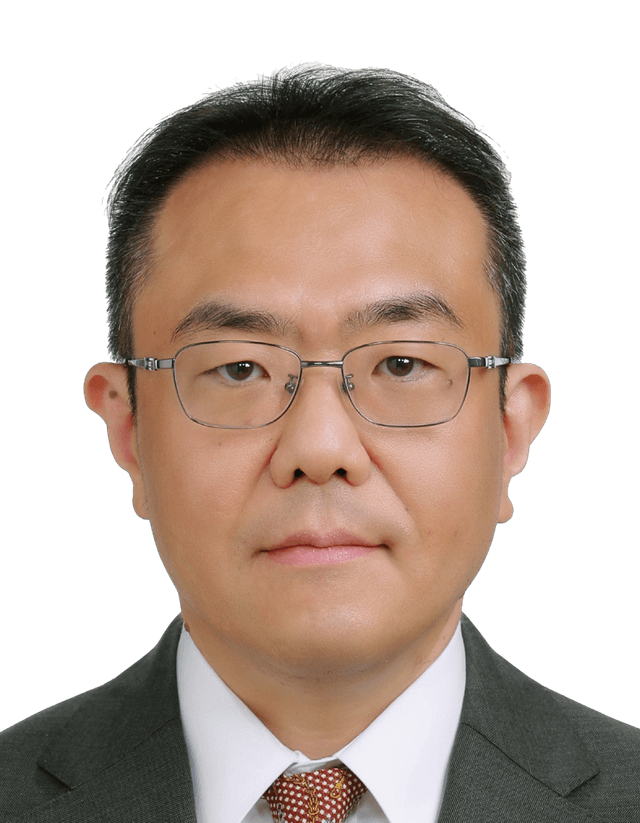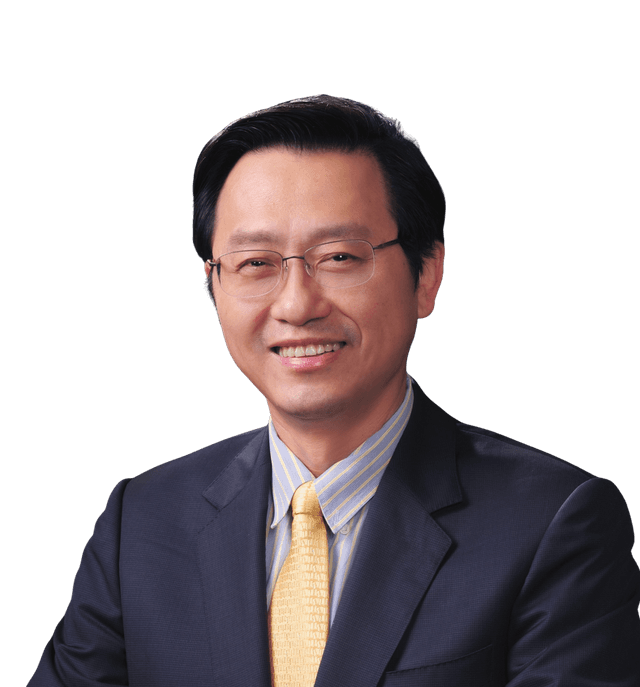
Dr. Tei-Wei Kuo
Pioneering hardware–software co-design for durable non-volatile storage, with landmark contributions to embedded and real-time systems.
About
Dr. Kuo received his bachelor's and Ph.D. degrees in Computer Science from National Taiwan University and the University of Texas at Austin in 1986 and 1994, respectively. He is CTO of Delta Electronics and was a Distinguished Professor in Computer Science and Information Engineering and Interim President of National Taiwan University from October 2017 to January 2019. His research interests include flash-memory storage systems, non-volatile memory systems, and embedded systems. Dr. Kuo is an Academician of Academia Sinica and a Fellow of ACM, IEEE, and the US National Academy of Inventors.
Legacy & Achievements
Pioneering Durable Flash-Memory Systems
Dr. Kuo pioneered hardware-software co-design of flash-memory storage systems, overcoming the scalability limits of traditional ECC-based hardware solutions through intelligent distribution of read, write, and erase interference across chips and through static wear leveling. He also made foundational contributions to address mapping, initialization, and striping architecture.
Foundational Advances in Real-Time Computing
He is widely recognized for fundamental technical contributions to real-time task scheduling theories, advancing the foundations of embedded and real-time computing systems.
Shaping the Global Research Community
He was the founding Editor-in-Chief of ACM Transactions on Cyber-Physical Systems from 2015 to 2021 and serves as Chair of ACM SIGAPP from 2023 to 2027. He also served as Program Chair and General Chair of the IEEE Real-Time Systems Symposium and as General Chair of ESWEEK 2025.
A Career of International Distinction
His honors include the Humboldt Research Award, Taiwan's Ministry of Education Academic Award, the National Science and Technology Council Distinguished Research Award, the IEEE Technical Committee on Real-Time Systems Outstanding Technical Achievement and Leadership Award, and best paper awards from ACM/IEEE CODES in 2019, 2022, and 2024.